
The Art of Zellige
Zellige is one of the most admired traditions in Moroccan…
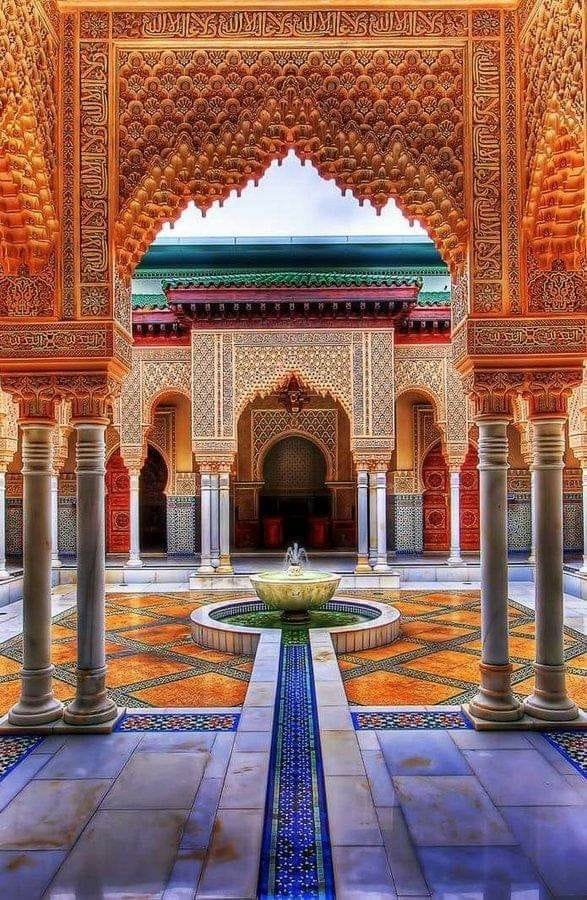
Zellige is one of the most admired traditions in Moroccan design. These small, hand-cut ceramic tiles have decorated palaces, mosques, fountains, and homes for centuries, bringing color and geometry to walls, floors, and courtyards. Every piece carries the mark of the artisan who made it, which is why no two zellige surfaces ever look exactly alike.
The process begins with clay, which is shaped into square tiles, dried in the sun, and fired in a kiln. After glazing and a second firing, the tiles are cut by hand into smaller geometric shapes using a sharp hammer. This work takes years to master, and skilled craftsmen can shape tiny pieces with remarkable precision.
The pieces are then assembled face down, like a puzzle, to form stars, flowers, and intricate repeating patterns. Once the design is complete, the back is covered with plaster or cement so the whole panel can be set into place. Because the tiles are handmade, their surface has slight variations in color and shine, which gives zellige its soft, living glow in changing light.
Fez and Tetouan are especially known for their zellige workshops, and you can still see artisans at work in these cities today. In the home, zellige is just as versatile as it is beautiful. Use it on a kitchen backsplash, a bathroom wall, a fountain, a tabletop, or a single accent panel. Even a small touch can bring the warmth and craftsmanship of Morocco into a modern space.