
Moroccan Woodcraft
Woodcraft has long been part of Moroccan daily life and…
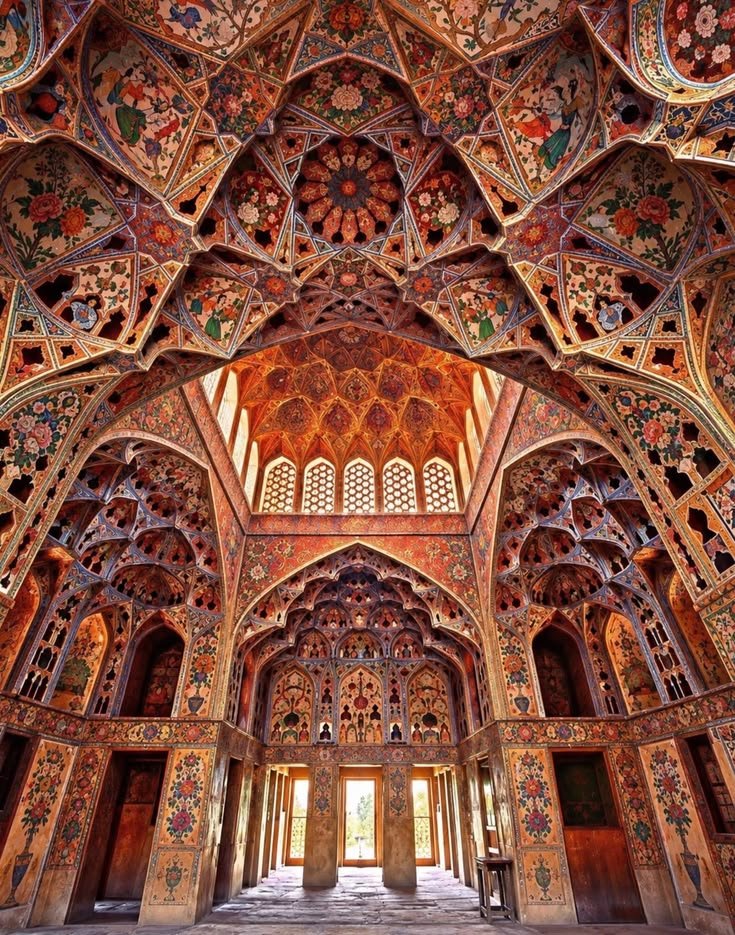
Woodcraft has long been part of Moroccan daily life and architecture. From carved doors and ceilings to painted chests and finely turned screens, wooden pieces bring warmth and character to homes across the country. Today, many artisans still use traditional methods passed down through families, keeping this craft alive in a world of mass production.
Cedar, walnut, and thuya are among the woods most often used. Cedar from the Atlas Mountains is known for its pleasant scent and durability, while thuya wood, found around Essaouira, is prized for its rich patterns and warm tones. Each piece of wood is chosen carefully, since its grain and color shape the final look of the furniture.
The work itself is done mostly by hand. Artisans cut, carve, and sand each piece, often adding geometric patterns, floral motifs, or delicate inlays. Some furniture is painted in bright colors, while other pieces are left natural and polished to highlight the wood. Details like these take time and patience, which is why handmade Moroccan furniture feels so personal.
In the home, a single wooden piece can change the mood of a room. A carved side table, a painted chest, or an arched wooden mirror frame adds texture and warmth, especially when paired with soft rugs and copper lighting. Choose one or two statement pieces and let them become the heart of the space.